What to check before booking a flyboard experience in Dubai
Understanding the flyboard experience
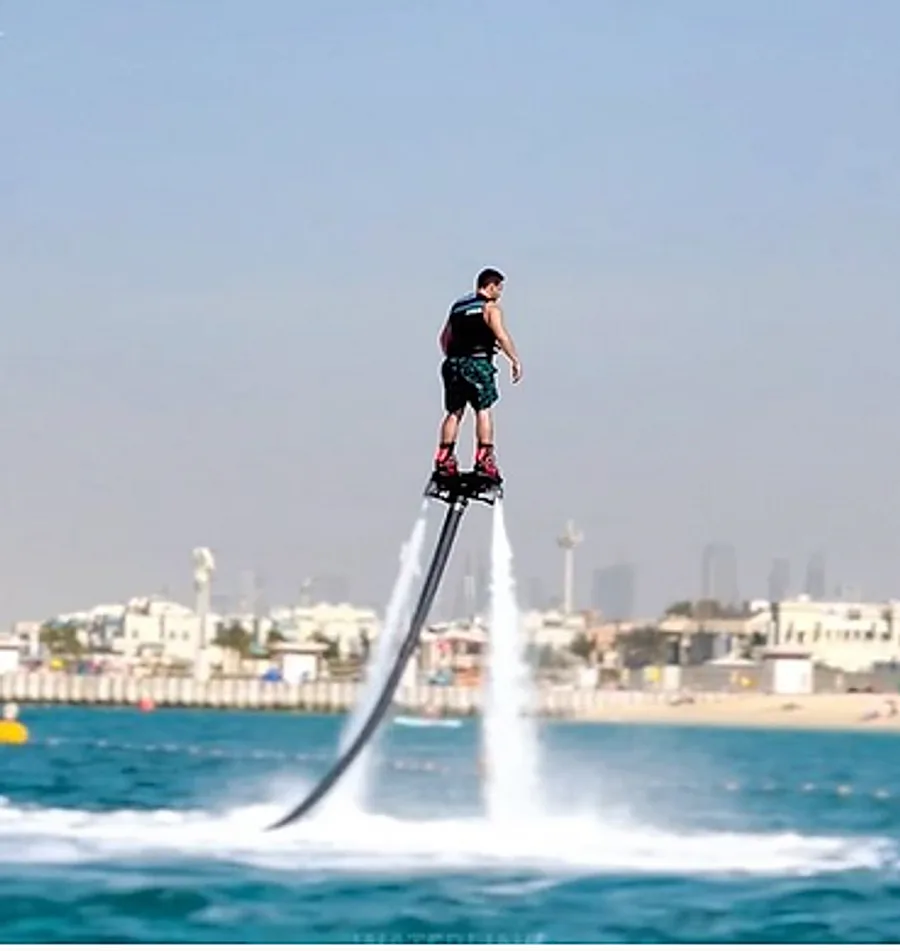
A flyboard session in Dubai is not the same as renting a jet ski or taking a speedboat tour. The device, often called a hydrojet device, uses a backpack engine to push water downward and lift the rider above the surface. The rider controls direction and height through throttle control on a handheld remote. The sensation sits somewhere between flying and surfing, and it demands more coordination than most water sports. Before you book, there are several practical points to consider so the session matches your expectations.
Physical condition and swimming ability
The biggest factor in how much you enjoy a flyboard session is your own fitness and comfort in water. The board does not float on its own when the engine is off, so you need to be able to tread water and stay calm during a deep water start. A deep water start is the standard technique: you lie face down on the board, the operator activates the backpack engine, and you rise as the thrust builds. If you panic when water splashes your face or when you cannot touch the bottom, the first few attempts will feel frustrating rather than fun. Most operators ask whether you can swim, and they may refuse or limit the session if you cannot. Be honest with yourself about your swimming level. Even with a stability vest, you are in open water, and the instructor cannot hold the board for you while you learn.
Instructor ratio and training session quality
A typical booking includes a short training session on land and a brief demonstration in the water. The quality of that training matters more than the total time on the water. Ask how long the training lasts and whether one instructor handles multiple riders at once. If the ratio is one instructor to several first-timers, each person gets less individual feedback, and the learning curve gets steeper. A good instructor will show you how to shift your weight, how to feather the throttle, and how to manage the hose that connects the backpack to the board. Without clear guidance on water re-entry, getting back on the board after a fall, you can spend half the session struggling to remount. Look for a provider that offers a dedicated training session before the clock starts on your ride time.
Equipment condition and size
The backpack engine is the heart of the flyboard. It is a small gasoline-powered pump strapped to your back, and its weight and balance affect your comfort. Ask what model they use and whether they adjust the backpack harness for your height and build. A poorly fitted backpack shifts during flight and makes throttle control harder. Also check whether the board itself is the right size for your weight. Most boards have a recommended rider weight range, and being outside that range either makes it hard to lift off or makes the board unstable at speed. The stability vest should fit snugly without restricting arm movement. If the gear looks worn or the hoses show cracks, that is a red flag. A reputable operator maintains equipment regularly, but it is worth confirming with whichever business you choose.
Weather and water conditions
Dubai’s weather is generally calm, but conditions change quickly. Wind speed above 10 knots makes the water choppy, which affects the high-speed glide phase of the flight. A flat surface is much easier to learn on because the board does not bounce between waves. Ask the operator about their cancellation policy for bad weather. Some run regardless of conditions and simply give you a shorter, rougher session. Others reschedule when the wind picks up. Morning sessions usually have the calmest water, while afternoon breezes create chop. If you have a tight schedule, book a morning slot so you have the option to move to the next day if the weather does not cooperate.

Session duration and real ride time
A booking that says “30-minute flyboard session” rarely means 30 minutes in the air. The clock often starts when you enter the water, and that includes the time spent practicing the deep water start, falling off, climbing back on, and listening to instructions. A realistic expectation is 10 to 15 minutes of actual flight time in a 30-minute slot, especially for beginners. Longer sessions, such as 60 minutes, give you more time to get comfortable and enjoy sustained glides. Ask the operator how they define the session length and whether they count training separately. Some operators offer a package that includes a training session and then a separate ride block. One local option is Jet Ski Rental Dubai - Water Jet Car Ride, Flyboard, Yachts & Boats Rental, whose team can clarify how their sessions are structured. Confirm with whichever business you choose so you know what you are paying for.
Weight and height limits
Most flyboard operators impose a maximum rider weight, usually around 100 to 120 kilograms, and a minimum weight around 40 to 50 kilograms. The limits exist because the backpack engine has a fixed thrust, and the board’s lift depends on the rider’s weight distribution. If you are close to the upper limit, the board may still lift but will respond slower and feel less agile. Height also matters: taller riders have a higher center of gravity, which affects stability during high-speed glide. Ask the operator for their exact limits before booking. Showing up overweight or too tall can mean being turned away with no refund.
Age restrictions
Flyboarding is not a children’s activity in the same way a banana boat ride is. Most operators set a minimum age of 14 or 16, and some require parental consent for riders under 18. The reason is the physical strength needed to control the board and the ability to follow safety instructions quickly. A younger child may not have the arm strength to hold the throttle steady or the core strength to keep the board level. If you are booking for a teenager, ask the operator directly whether they accommodate younger riders and what the rules are. Do not assume that because a child can swim well they can handle the board.
Safety briefings and emergency procedures
A thorough safety briefing covers what to do if the engine cuts out, how to signal for help, and how to avoid the hose getting tangled. It should also explain the kill switch: a cord attached to your vest that stops the engine if you fall and drift away from the board. If the operator skips the briefing or rushes through it in under a minute, consider that a warning. Ask about the emergency procedures before you pay. Also check whether a support boat stays nearby during the session. In open water, a support boat is essential for quick retrieval if you cannot remount or if the equipment fails. The operator should have a boat within visual range at all times.
Insurance and liability waivers
Most water sports operators in Dubai require you to sign a liability waiver before the session. Read the waiver carefully. It usually states that you assume the risk of injury from falls, collisions, or equipment malfunction. Some waivers also say that you are responsible for damage to the equipment if you misuse it. Ask whether the operator carries insurance that covers medical costs for riders. Not all do, and if you are a visitor without travel insurance that covers adventure sports, you could face a large bill for a minor injury. Check your own travel insurance policy for exclusions on motorised water sports before you book.
Reviews and recent feedback
Online reviews for flyboard experiences in Dubai can be inconsistent. A provider with a 4.5-star average may still have recent complaints about short ride times, poorly maintained gear, or disorganised staff. Look for reviews from the past three months and focus on comments about the training quality, the instructor’s patience, and whether the actual ride time matched the advertised duration. Also check how the operator responds to negative feedback. A dismissive reply suggests they do not take customer concerns seriously. Local businesses such as Jet Ski Rental Dubai - Water Jet Car Ride, Flyboard, Yachts & Boats Rental have an online presence where you can read recent experiences. But remember that any single review is one person’s perspective; look for patterns across multiple reviews.
What to bring and what to wear
Most operators provide a stability vest and a helmet, but you need to bring your own swimwear, a towel, sunscreen, and a change of clothes. Sunscreen should be water-resistant and applied 20 minutes before the session starts. A rash guard or a lightweight long-sleeve shirt protects your back from the harness straps and from the sun. Goggles can help if you wear contact lenses or if you are sensitive to salt water. Leave valuables onshore; there is no dry storage on the board. Confirm with whichever business you choose whether they have lockers or a secure area for your belongings.
Comparing packages and hidden costs
The advertised price for a flyboard session often excludes extras such as a photo and video package, a longer training session, or a support boat fee if the standard package only includes one boat for multiple riders. Ask for a full price breakdown before you book. Some operators charge extra for a second rider or for a session that exceeds a certain distance from the shore. Also ask about cancellation and rescheduling fees. A flexible booking gives you peace of mind if the weather turns or if you change your plans. One way to get clarity is to visit the Jet Ski Rental Dubai - Water Jet Car Ride, Flyboard, Yachts & Boats Rental official site and review their package details and terms. That official site lists the inclusions and exclusions so you can compare it with other operators.
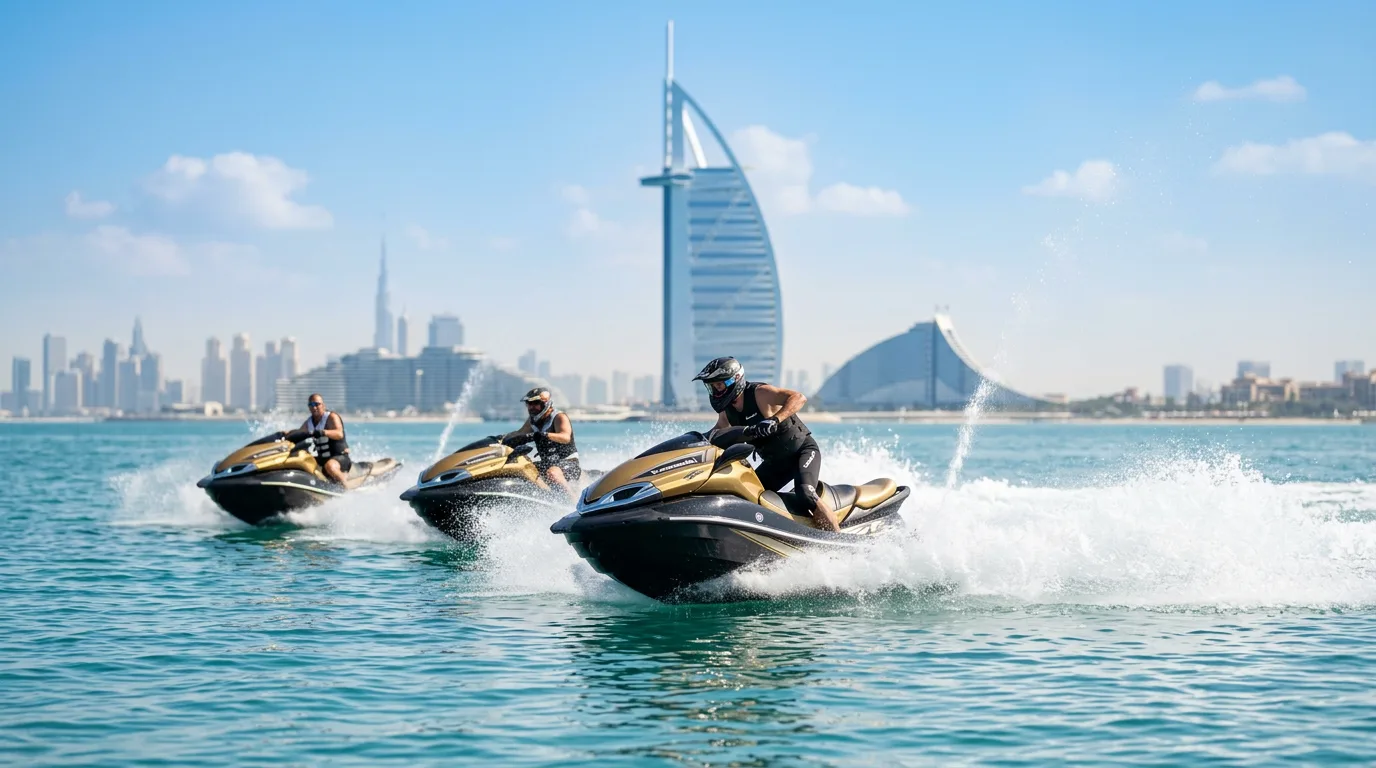
Jet Ski Rental Dubai - Water Jet Car Ride, Flyboard, Yachts & Boats Rental is located at Concord Tower - Office no. 102 Al Sufouh 2 - الصفوح 2 - الصفوح - دبي - United Arab Emirates.